Plastic surgery
Breast Augmentation abroad
Surgery to increase breast size and improve shape using implants or fat transfer.
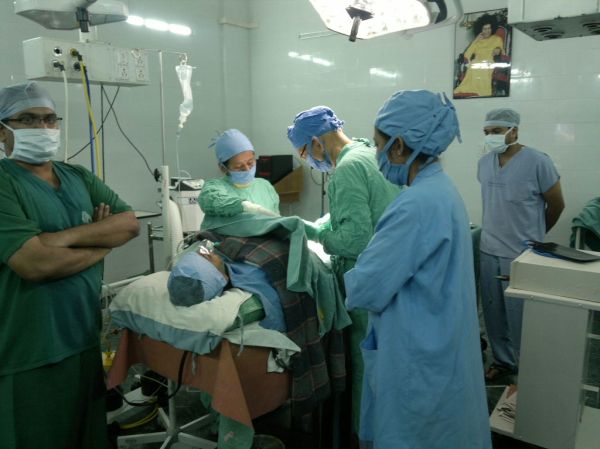 Bhakua / flickr · BY
- Global range
- $3,000–$12,000
- Clinics tracked
- 65
- Recovery
- 2–6 weeks
- Final results
- 2–3 months
Overview
Breast augmentation enlarges and reshapes the breasts using silicone or saline implants, or in some cases the patient's own fat. It is one of the most commonly performed cosmetic operations worldwide and a frequent reason for medical travel where accredited facilities offer it at lower cost.
Choices about implant type, size, placement (over or under the muscle) and incision location shape both the result and the recovery. Implants are not lifetime devices and may eventually need replacement, so understanding the long-term commitment — and arranging local follow-up — is part of planning, especially when treated abroad.
Where to get it
Tracked destinations with cost ranges. Open a destination for clinics, surgeons and what to verify.
Techniques
Silicone implants
Gel-filled implants that feel more natural; the most common choice.
Saline implants
Saltwater-filled; firmer feel but adjustable volume and a smaller incision.
Fat-transfer augmentation
Modest enlargement using liposuctioned fat — no implant, limited size increase.
Submuscular vs subglandular
Implant placed under the chest muscle or under the gland, affecting look and recovery.
The process
- 1Consultation, sizing and implant selection
- 2General anaesthesia
- 3Incision (inframammary, periareolar or axillary)
- 4Implant placement over or under the muscle
- 5Closure and supportive surgical bra
Recovery timeline
Week 1
Soreness and tightness, especially with submuscular placement; limited arm use.
Weeks 2–6
Return to light activity; implants begin to settle ('drop and fluff').
Months 2–3
Final shape and position settle; scars continue to mature.
Candidacy
- ✓Physically healthy and at a stable weight
- ✓Realistic expectations about size and feel
- ✓Non-smoker around surgery
- ✓Understanding implants may need future revision
What to ask
- ›Which implant brand and type do you recommend for my goals, and why?
- ›Over or under the muscle, and what incision will you use?
- ›What warranty covers the implants?
- ›What is the plan for follow-up and any complications once I'm home?
Risks
- Capsular contracture (scar tissue hardening)
- Implant rupture or leakage
- Rippling or malposition
- Changes in nipple sensation
- Need for future revision surgery
Breast Augmentation abroad: frequently asked questions
What country is best for breast augmentation?
No single country is "best" for breast augmentation — it depends on the clinic, not the border. The most-travelled-for destinations we cover are Turkey, Mexico and South Korea; compare them on cost and the MedTraveling Transparency Index instead of picking by reputation.
How long do breast implants last?
Implants are not lifetime devices; many last 10–20 years but some need replacement sooner due to rupture or capsular contracture.
Silicone or saline?
Silicone feels more natural and is most popular; saline allows a smaller incision and adjustable volume but can feel firmer. Your surgeon will advise based on your anatomy.
Will I be able to breastfeed?
Most women can still breastfeed after augmentation, particularly with inframammary or submuscular approaches, though it isn't guaranteed.
When can I fly home?
Many surgeons advise waiting several days to reduce clot risk; confirm a safe timeline and aftercare plan before booking travel.