Plastic surgery
Rhinoplasty abroad
Surgery to reshape the nose for aesthetic balance or to improve breathing — among the most technically demanding facial procedures.
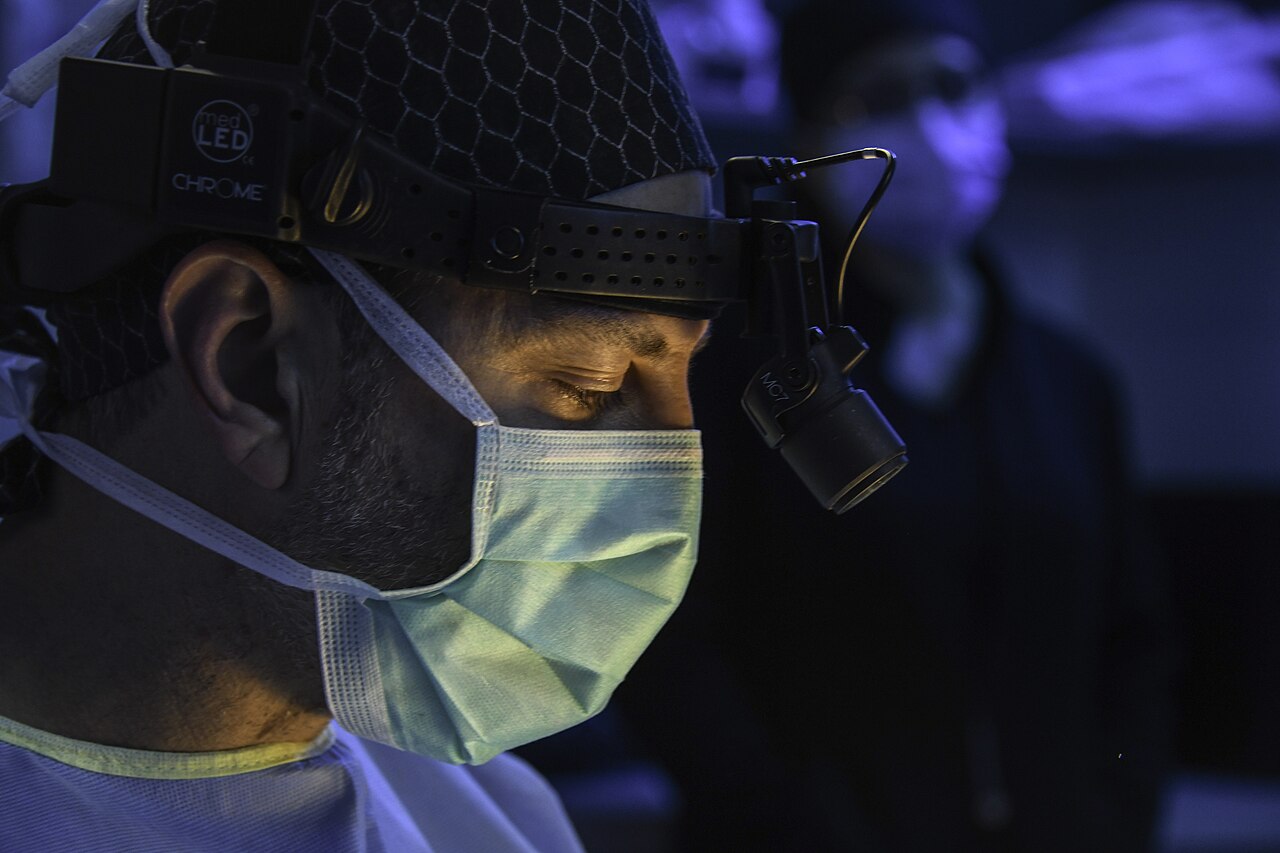 Richard Balikian MD / wikimedia · BY
- Global range
- $2,000–$15,000
- Clinics tracked
- 79
- Recovery
- 2–3 weeks
- Final results
- 12–18 months
Overview
Rhinoplasty reshapes the bone and cartilage of the nose to change its size, profile, tip or width, and can also correct breathing problems (when combined with septal work, it is a septorhinoplasty). It is one of the most technically demanding operations in facial surgery, because millimetre changes produce visible differences and the result must both look natural and function well.
It is a flagship procedure in South Korea, where surgeons are known for refined, structure-based techniques, and is also heavily marketed in Turkey at far lower prices. Because outcomes hinge so much on individual surgical skill and aesthetic judgement, the surgeon's specific rhinoplasty experience matters more than the clinic's brand.
Where to get it
Tracked destinations with cost ranges. Open a destination for clinics, surgeons and what to verify.
Techniques
Open rhinoplasty
A small incision across the columella gives full access for complex reshaping; tiny external scar.
Closed rhinoplasty
All incisions inside the nostrils; no external scar, suited to less complex changes.
Structural / cartilage-graft rhinoplasty
Uses the patient's own cartilage to build durable structure — common in Korean technique.
Preservation rhinoplasty
Preserves the natural dorsal structure rather than removing and rebuilding it.
The process
- 1Consultation, facial analysis and (often) imaging simulation
- 2Anaesthesia — usually general for full rhinoplasty
- 3Reshaping of bone and cartilage via open or closed approach
- 4Splint and internal supports applied
- 5Splint removal at about one week
Recovery timeline
Week 1
Splint in place; bruising and swelling around the eyes; breathing congested.
Weeks 2–4
Major bruising fades; presentable but still swollen, especially the tip.
Months 3–6
Most swelling resolves; shape refines.
Up to 12–18 months
Final result as residual tip swelling fully settles.
Candidacy
- ✓Facial growth complete (generally 17–18+)
- ✓Specific, realistic aesthetic goals
- ✓Good general health, non-smoker around surgery
- ✓Understanding that revisions are sometimes needed
What to ask
- ›How many rhinoplasties do you perform each year, and can I see before/after cases like mine?
- ›Will you address breathing as well as appearance?
- ›Is this a primary or revision case, and how does that affect risk?
- ›What is your revision policy if I'm unhappy with the result?
Risks
- Aesthetic result you dislike
- Breathing difficulty
- Asymmetry or irregularities
- Need for revision surgery
- Prolonged tip swelling
Rhinoplasty abroad: frequently asked questions
Which country is best for nose rhinoplasty?
No single country is "best" for rhinoplasty — it depends on the clinic, not the border. The most-travelled-for destinations we cover are Turkey, Mexico and South Korea; compare them on cost and the MedTraveling Transparency Index instead of picking by reputation.
When will I see the final result?
You'll look presentable after 2–3 weeks, but the nose keeps refining for 12–18 months as deep tip swelling slowly resolves.
Why is Korea known for rhinoplasty?
Korean surgeons pioneered refined, structure- and cartilage-graft-based techniques and perform very high volumes, particularly for Asian rhinoplasty.
Is travelling abroad risky for a nose job?
The main concern is follow-up: swelling and any revision needs play out over months. Agree a clear aftercare and revision pathway before booking.
Will it improve my breathing?
Only if functional/septal work is included. Cosmetic-only rhinoplasty doesn't necessarily fix a deviated septum — discuss this explicitly.