🇰🇷 South Korea · Fertility
IVF (In Vitro Fertilisation) in South Korea
Fertility treatment in which eggs are retrieved, fertilised in a laboratory, and the resulting embryo is transferred to the uterus.
IVF (In Vitro Fertilisation) in South Korea typically costs $5,400–$8,200 — well below US prices — across the 8 clinics we track here. It can be done safely at an accredited facility with a board-certified surgeon; every clinic below is ranked on independent reviews, accreditation and price transparency, with exactly what to verify before you book.
Researched & fact-checked by the MedTraveling editorial teamLast reviewed 21 June 20269 sourced referencesNo rankings or leads sold
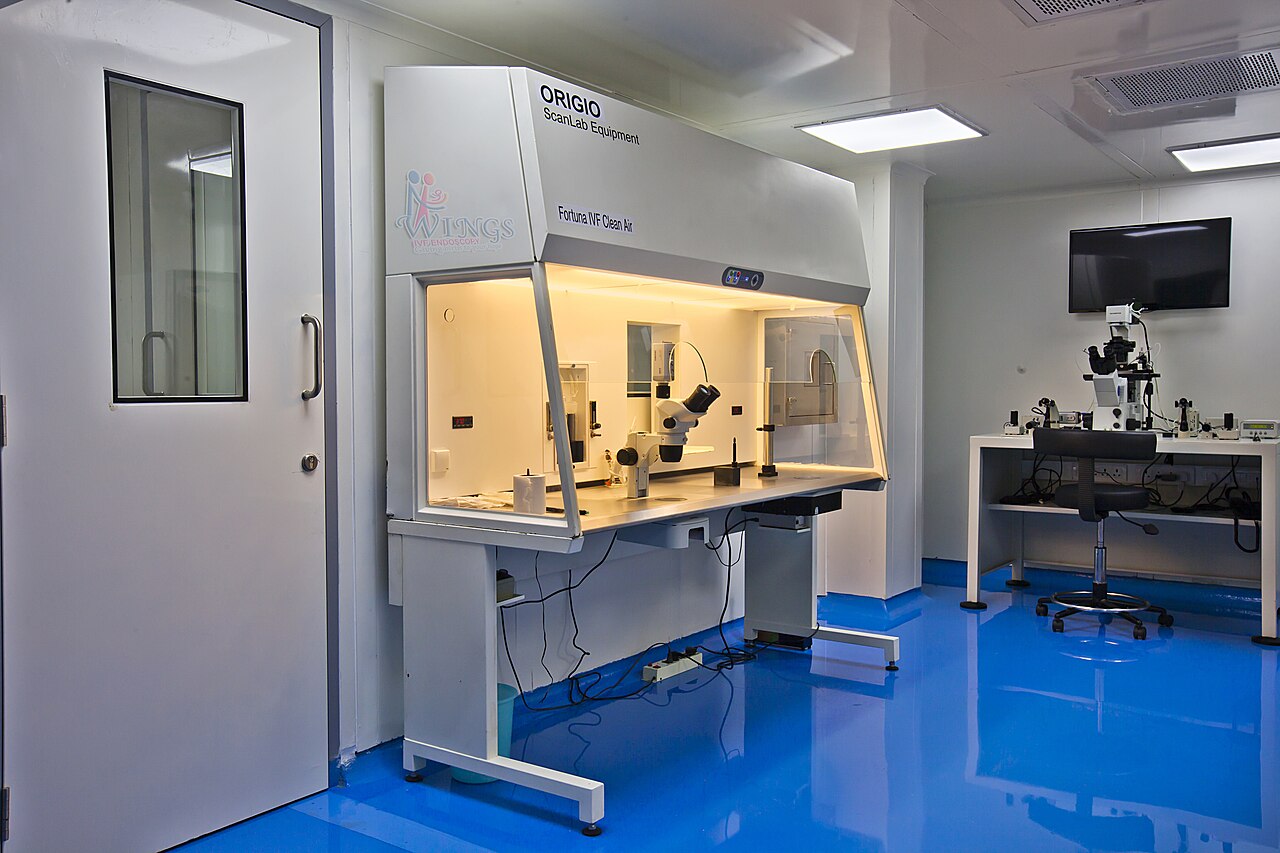 Dr.jayesh amin / wikimedia · BY-SA
- Typical price
- $5,400–$8,200
- Clinics tracked
- 8
- Recovery
- Days
- Final results
- 2–6 weeks per cycle
Why South Korea for ivf (in vitro fertilisation)
South Korea has the highest rate of cosmetic surgery per capita in the world, and Seoul's Gangnam district is the densest concentration of plastic surgery and dermatology clinics anywhere. The country is the global reference point for rhinoplasty, facial contouring, double-eyelid surgery and advanced skin treatment, backed by heavy investment in technology and a deep specialist workforce — supported by dedicated international patient centres at the larger hospitals.
World-leading cosmetic expertise
Unrivalled volume and specialisation in rhinoplasty, facial contouring and double-eyelid surgery.
Technology and precision
Heavy investment in advanced imaging, lasers and surgical technology, especially in dermatology and plastics.
International patient infrastructure
Larger hospitals run dedicated international healthcare centres with English-language coordination.
Aesthetic specialisation
A refined, detail-oriented aesthetic culture that many patients travel specifically to access.
Is ivf (in vitro fertilisation) in South Korea safe?
The single most-asked question — answered straight, with what to verify rather than reassurance.
IVF (In Vitro Fertilisation) carries the same core medical risks wherever it's performed — the variable that matters most is the provider, not the country. Confirm the clinic is a KHIDI-registered international healthcare provider and that the operating surgeon is a board-certified specialist (e.g. KSPRS for plastic surgery). Insist on a written guarantee that the named surgeon operates. Verify the surgeon on the national medical register, confirm accreditation in the issuer's public registry (we link it on every clinic profile), and get the complication and revision policy in writing. We flag what each clinic does and doesn't disclose.
What ivf (in vitro fertilisation) involves
In vitro fertilisation stimulates the ovaries to produce multiple eggs, retrieves them, fertilises them with sperm in a laboratory (often via ICSI, where a single sperm is injected into each egg), and transfers a resulting embryo into the uterus. It is the cornerstone treatment for many causes of infertility and is sought abroad both for cost and for access to options — such as donor eggs — that may be restricted or expensive at home.
Success rates depend heavily on the woman's age, the underlying diagnosis, and the laboratory's quality, and published 'success rates' are easy to misread. Cross-border fertility care also raises legal and ethical questions — around donor anonymity, embryo storage and parentage — that vary sharply by country and must be checked before treatment.
Why people seek it
- Treatment for many causes of infertility
- Access to donor eggs/sperm
- Lower cost than home country
- Fewer legal restrictions in some destinations
Techniques & options
Conventional IVF
Eggs and sperm combined in the lab to fertilise naturally.
ICSI
A single sperm injected directly into each egg — used for male-factor infertility.
Donor-egg IVF
Uses eggs from a donor; markedly higher success for older patients.
PGT (genetic testing)
Embryos screened for chromosomal or genetic conditions before transfer.
The treatment process
- 1Fertility assessment and ovarian-reserve testing
- 2Ovarian stimulation with hormone injections (~10–14 days)
- 3Egg retrieval under sedation
- 4Laboratory fertilisation and embryo culture
- 5Embryo transfer, then a pregnancy test ~10–14 days later
Recovery timeline
Stimulation phase
Daily injections; monitoring scans; possible bloating.
Retrieval day
Short sedation; mild cramping and rest for a day.
After transfer
Normal light activity; progesterone support; wait for the pregnancy test.
IVF (In Vitro Fertilisation) cost in South Korea
Published provider prices vary with technique, surgeon and what each package includes. Use these as a starting range — not a personalised quote.
Typical price range
$5,400–$8,200
Full spread $4,800–$15,400 across 7 provider quotes
Prices are published provider figures, not personalised quotes. Confirm inclusions directly.
South Korea (typical)
$6,800
$4,800–$15,400
Home (indicative)
$20,000
typical private price
You could save
$13,200
≈ 66% less
Home-country figures are indicative typical private list prices, not quotes. Destination figures are published provider prices we track. Add travel, accommodation and any revision cost before comparing — a low headline is not the full bill. Currency conversions are approximate.
| Provider | Published price (USD) | Typically includes | Source |
|---|---|---|---|
| Maria Fertility Hospital | $4,800–$8,200 | one IVF cycle | Reported |
| MizMedi Women's Hospital | $4,800–$8,200 | one IVF cycle | Reported |
| Hamchoon Women's Clinic | $4,800–$8,200 | one IVF cycle | Reported |
| CHA Fertility Center | $5,400–$8,100 | IVF cycle | Reported |
| Ewha Womans University Medical Center | $6,000–$11,000 | one IVF cycle | Reported |
| CHA Gangnam Medical Center | $7,200 | IVF cycle | Reported |
| Samsung Medical Center | $9,700–$15,400 | treatment | Reported |
What drives the price: Own-egg vs donor-egg cycle · Add-ons (ICSI, PGT, freezing) · Medication costs · Number of cycles needed · Clinic and laboratory quality. See the full cost guide →
What's included in South Korea ivf (in vitro fertilisation) packages
Most providers quote all-inclusive packages — but inclusions vary. Here's what tracked clinics typically cover, and what to budget separately.
Typically included
- ✓treatment
- ✓IVF cycle
- ✓one IVF cycle
Usually excluded
- ×flights
- ×medications
- ×accommodation
- ×Flights
Always confirm the exact inclusions in writing — a low headline price often excludes hospital stay, medication, aftercare or revision.
Clinics offering ivf (in vitro fertilisation) in South Korea
8 tracked providers. Profiles list accreditation, named surgeons and sources.
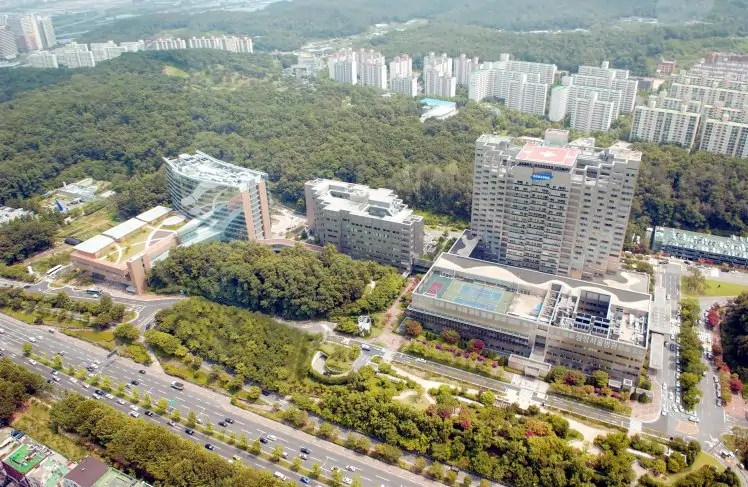
Samsung Medical Center
seoul
Samsung Medical Center is a large tertiary teaching hospital in Seoul with over a thousand doctors and millions of patient visits a year, recognized as one of Asia's largest cancer centers. For medical tourists it offers comprehensive health-screening packages and advanced diagnostics alongside oncology, cardiology and transplant care.
- Korean Institute for Healthcare Accreditation
- Newsweek World's Best Hospitals listing
from $9,700–$15,400
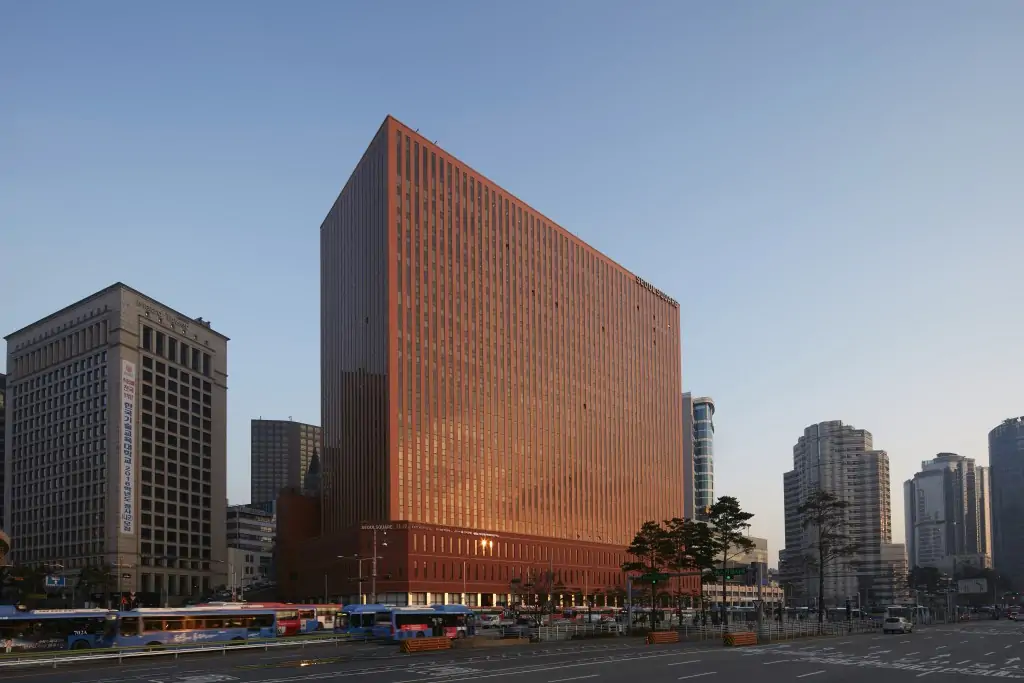
CHA Fertility Center
seoul
CHA Fertility Center is the Seoul arm of the CHA medical group and is described as one of the largest IVF facilities in Asia. It offers advanced reproductive techniques including ICSI, IMSI and preimplantation genetic testing with dedicated international-patient support.
- Ministry of Health and Welfare certification
from $5,400–$8,100
CHA Gangnam Medical Center
seoul
CHA Gangnam Medical Center is a Gangnam obstetrics, gynecology and fertility hospital in the CHA Health Systems group, designated as a specialized OB/GYN hospital by the Korean Ministry of Health and Welfare. It runs dedicated fertility and IVF centers and treats international patients.
- Designated specialized OB/GYN hospital
- Certified Medical Institution
from $7,200
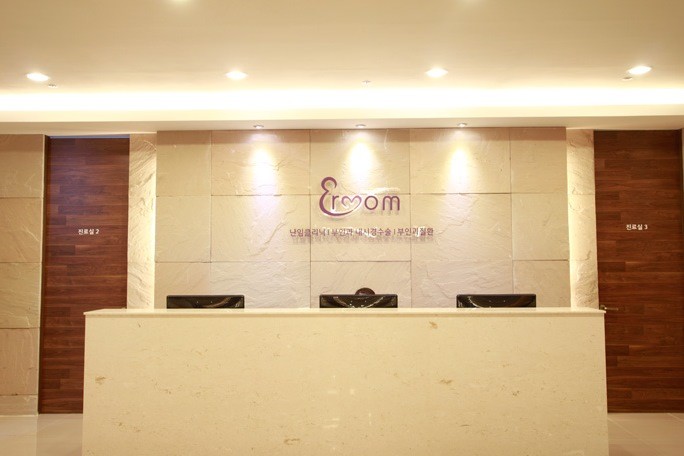
Eroom Women's Clinic
busan
Eroom Women's Clinic is a Busan reproductive-medicine center reported as one of Korea's leading fertility clinics, with specialists recognized by the Korean Society for Reproductive Medicine. It is reported to achieve among the higher IVF success rates in the country for younger patients.
Maria Fertility Hospital
seoul
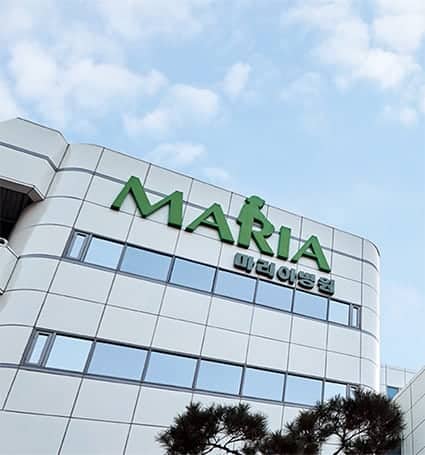
A large fertility hospital network headquartered in Seoul, founded in 1967, that performed Korea's first private test-tube baby birth in 1987. It is among the largest IVF centers in Korea with reported pregnancy rates of roughly 35-40% per embryo transfer, spanning 10 Korean branches plus US locations.
from $4,800–$8,200
MizMedi Women's Hospital
seoul
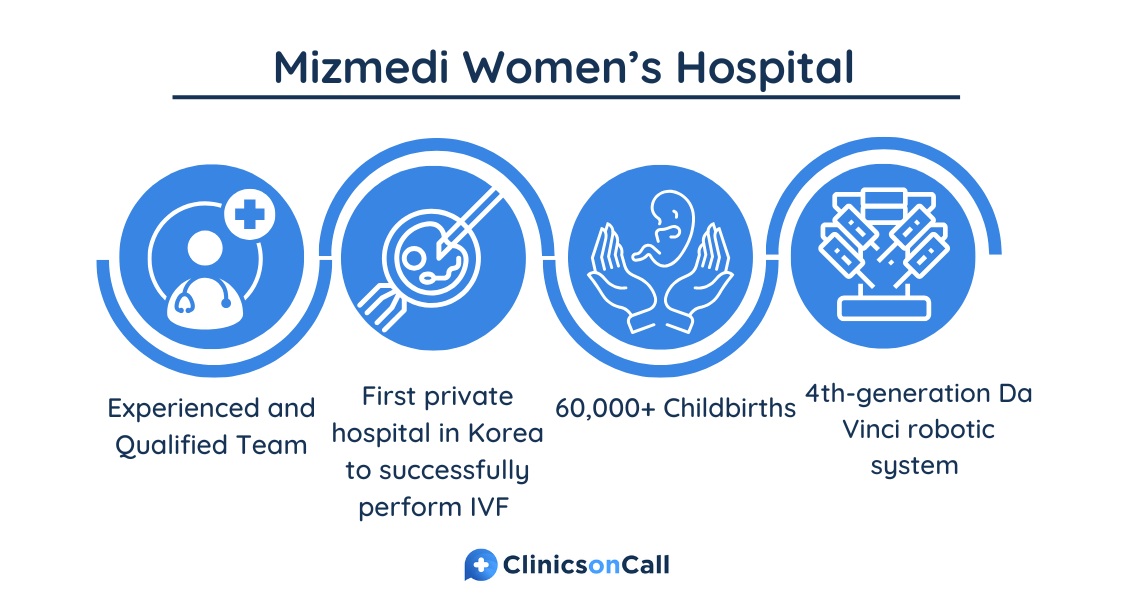
A specialized women's hospital in Mapo, Seoul, with decades of experience and a strong reputation for IVF success. It offers IVF, IUI, controlled ovarian stimulation, ICSI, assisted hatching, embryo and sperm cryopreservation and preimplantation genetic diagnosis, with English coordination for international patients.
- Korean Medical Association member
- JCI accreditation
- Designated women's clinic (MOHW)
from $4,800–$8,200
Hamchoon Women's Clinic
seoul
A specialized women's clinic in Seoul founded in 1992, focused on infertility treatment, genetic testing and general OB/GYN care, adding childbirth services in 2008. It is recognized for prenatal genetic testing and in 2005 was recognized by the Ministry of Health and Welfare as a legal embryo research institution.
- Legal embryo research institution designation
- Recognized legal embryo research institution
from $4,800–$8,200
Ewha Womans University Medical Center
seoul
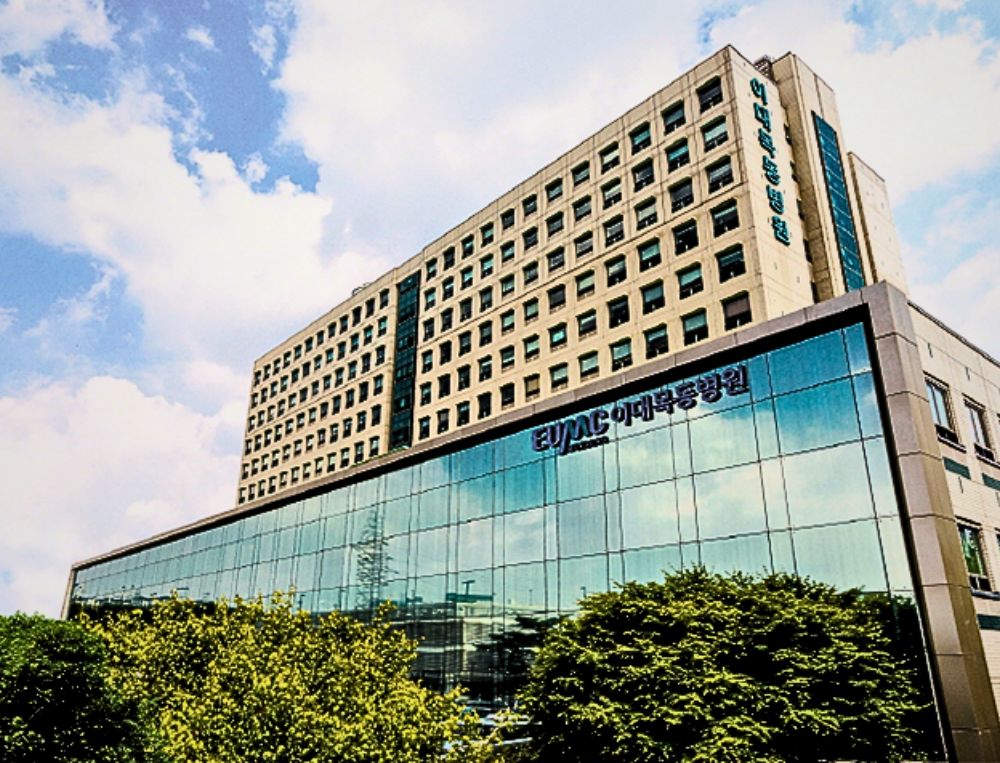
A JCI-accredited university medical center in Seoul offering IVF through its reproductive gynecology team. Reported IVF success rates are around 30-35%. Professor Chong Kyung A is among its reproductive specialists.
- JCI Accreditation
from $6,000–$11,000
Surgeons & specialists
Named clinicians associated with this procedure, drawn from clinic and registry sources.
Dr. Yoon Tae Ki
Fertility Specialist · Reproductive medicine / IVF
Dr. Kim Min Kyoung
Fertility Specialist · Reproductive medicine
Dr. Yi Yu Jin
Fertility Specialist · Reproductive Medicine
Dr. Kichul Kim
Chairman and Co-founder · Reproductive Medicine
Prof. Chong Kyung A
Reproductive Gynecologist · Reproductive Medicine
IVF (In Vitro Fertilisation) by city
What to verify before you book
Travelling shifts the burden of due diligence onto you. These are the checkable signals that matter most.
For this destination
- Premium pricing. Korea is a premium market; expect to pay more than in Turkey or Mexico for comparable cosmetic procedures.
- Broker and 'ghost surgery' risk. Confirm in writing that your named surgeon performs the operation — Korea has had documented 'ghost surgery' cases.
- Language and logistics. Outside international centres, English support varies; use clinics with formal international patient services.
Questions to ask
- ›What are your live-birth rates for patients in my age group and diagnosis?
- ›What exactly does the package include, and what costs extra?
- ›What are the legal rules here on donors, embryo storage and parentage?
- ›How are remote monitoring and any follow-up cycles handled?
Accreditation context. Confirm the clinic is a KHIDI-registered international healthcare provider and that the operating surgeon is a board-certified specialist (e.g. KSPRS for plastic surgery). Insist on a written guarantee that the named surgeon operates.
Risks & complications
- Ovarian hyperstimulation syndrome (OHSS)
- Multiple pregnancy
- Cycle failure / no viable embryos
- Emotional and financial strain
- Legal complications of cross-border care
Take this with you
Everything to carry into a consultation — yours to print, no sign-up.
Patient decision kit
IVF (In Vitro Fertilisation) in South Korea — take this with you
Yours to keep. No sign-up, no contact details, nothing sold.
Questions to ask
- What are your live-birth rates for patients in my age group and diagnosis?
- What exactly does the package include, and what costs extra?
- What are the legal rules here on donors, embryo storage and parentage?
- How are remote monitoring and any follow-up cycles handled?
Get these in writing
- The exact named surgeon who will operate — and their registration number
- A full itemised quote: what is and isn't included, in your currency
- The complication and revision policy, including who pays if something goes wrong
- The aftercare plan once you are home, and how follow-up is handled remotely
- Accreditation certificates and their expiry dates
Walk away if you see
- The surgeon who operates won't be named or confirmed in writing
- Pressure to pay a large deposit fast, or a 'today only' price
- No written complication or revision policy
- Accreditation claimed but no certificate or registry you can check
- Reviews only on the clinic's own site, none independent
- A quote far below every other provider with no explanation of what's excluded
How to verify claims
- Confirm the clinic is a KHIDI-registered international healthcare provider and that the operating surgeon is a board-certified specialist (e.g. KSPRS for plastic surgery). Insist on a written guarantee that the named surgeon operates.
- Cross-check the surgeon on the national medical register, not just the clinic page
- Confirm accreditation currency in the issuer's public registry (we link to it on each profile)
- Ask for independent reviews and the source — not screenshots
MedTraveling is independent: we don't sell rankings or your details, and listing a provider is not an endorsement. This kit is decision support, not medical advice — confirm everything directly with a qualified clinician before treatment.
Frequently asked questions
Is IVF allowed in South Korea?
Yes — South Korea's international clinics routinely treat overseas patients, typically with English-speaking coordinators and all-inclusive packages. K-ETA or a visa depending on nationality and purpose; verify medical-travel requirements before booking. Confirm your own entry requirements and make sure the clinic provides written pre- and post-op instructions you can follow once home.
Which country is most advanced in IVF?
We don't crown a single "best" or "cheapest" country — quality lives at the clinic level, not the border. For ivf (in vitro fertilisation), South Korea is a major destination with tracked prices of $5,400–$8,200; compare it head-to-head with other destinations on our comparison pages and rank individual clinics by the MedTraveling Transparency Index rather than trusting a national reputation.
Is South Korea offering $38,000 for people to get married?
Across 7 published quotes we track, ivf (in vitro fertilisation) in South Korea runs $4,800–$15,400, with a typical range of $5,400–$8,200 — roughly 66% below an indicative US private price of about $20,000. Always confirm what a quote includes — the headline figure rarely covers everything.
What are the success rates?
They depend strongly on age — from over 40% per cycle for younger women to under 10% with own eggs over 42. Donor eggs raise success markedly. Scrutinise how a clinic defines its rates.
How long do I need to stay?
A fresh cycle typically needs around 2–3 weeks on site, though some monitoring can be done at home in coordination with a local clinic.