Bariatric surgery
Gastric Bypass (Roux-en-Y) abroad
Weight-loss surgery that creates a small stomach pouch and reroutes the small intestine, both restricting intake and reducing calorie absorption.
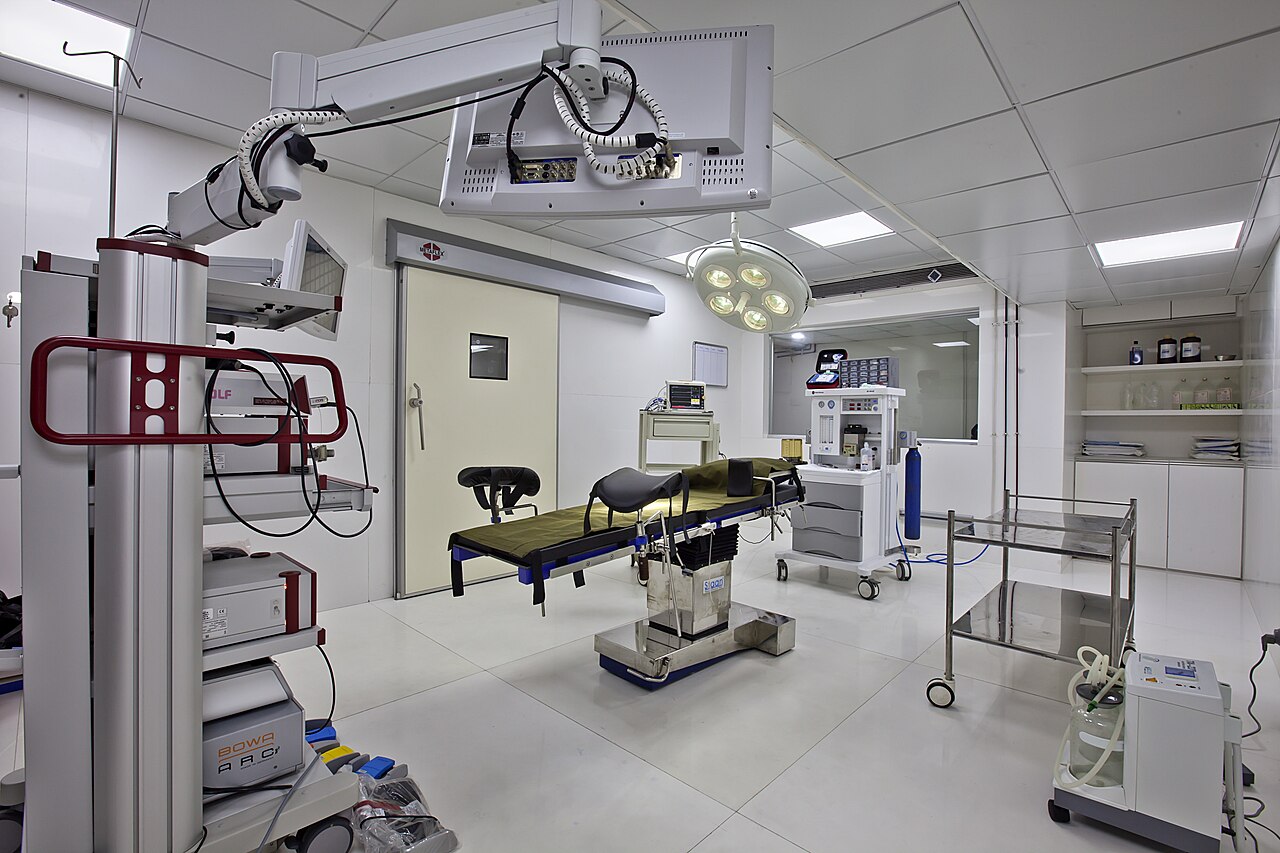 Dr.jayesh amin / wikimedia · BY-SA
- Global range
- $4,000–$25,000
- Clinics tracked
- 24
- Recovery
- 3–5 weeks
- Final results
- 12–18 months
Overview
A gastric bypass creates a small stomach pouch and connects it directly to a lower section of the small intestine, bypassing most of the stomach and the upper bowel. It works by both restricting how much you can eat and reducing how many calories and nutrients are absorbed, and it is particularly effective for severe obesity and type 2 diabetes.
It is more complex than a sleeve, with a higher chance of nutritional deficiencies because of the malabsorptive element, demanding rigorous lifelong supplementation and monitoring. As with all bariatric surgery, surgeon certification, an accredited hospital, and a genuine long-term follow-up pathway are the decisive safety factors — especially when treated away from home.
Where to get it
Tracked destinations with cost ranges. Open a destination for clinics, surgeons and what to verify.
Techniques
Laparoscopic Roux-en-Y
Keyhole creation of the pouch and intestinal rerouting — the standard approach.
Robotic bypass
Robot-assisted technique for added precision in equipped centres.
Mini gastric bypass (OAGB)
A simpler single-anastomosis variant with comparable results and slightly shorter operating time.
The process
- 1Full medical and nutritional workup
- 2Pre-op liver-shrinking diet
- 3Creation of the stomach pouch and intestinal rerouting (laparoscopic)
- 42–3 nights' hospital monitoring
- 5Staged diet progression and lifelong supplementation
Recovery timeline
Days 1–3
Hospital monitoring; liquids; early walking to prevent clots.
Weeks 1–4
Staged diet; fatigue; gradual return to activity.
Months 1–18
Rapid weight loss; strict supplement regimen; regular blood monitoring.
Candidacy
- ✓Typically BMI ≥ 35–40, or ≥ 30 with serious conditions
- ✓Severe reflux or diabetes (bypass often preferred)
- ✓Committed to lifelong supplements and monitoring
- ✓No untreated high-risk conditions
What to ask
- ›Is the surgeon board-certified in bariatrics, and what is their complication rate?
- ›Why bypass rather than sleeve for my case?
- ›What lifelong supplement and monitoring plan do you provide?
- ›What's the emergency pathway if problems arise after I travel home?
Risks
- Anastomotic leak (serious)
- Nutritional deficiencies (higher than sleeve)
- Dumping syndrome
- Bowel obstruction or internal hernia
- Blood clots
Gastric Bypass (Roux-en-Y) abroad: frequently asked questions
Which country is best for bariatric surgery?
No single country is "best" for gastric bypass (roux-en-y) — it depends on the clinic, not the border. The most-travelled-for destinations we cover are Turkey and Mexico; compare them on cost and the MedTraveling Transparency Index instead of picking by reputation.
How much weight will I lose with roux in Y?
Abroad, gastric bypass (roux-en-y) typically runs $4,000–$25,000 depending on the country and clinic, roughly 37% below a typical US private price of about $23,000. We track live published prices by destination — open the cost guide for Turkey and Mexico to see clinic-by-clinic figures rather than a single average.
Bypass or sleeve — which is better?
Bypass often gives slightly more weight loss and is better for severe reflux and diabetes, but carries higher risk of nutritional deficiency. The right choice depends on your health profile.
Will I need supplements forever?
Yes — because the bypass reduces nutrient absorption, lifelong vitamin and mineral supplementation plus regular blood tests are essential.
What is dumping syndrome?
Eating sugary or fatty foods can cause rapid emptying into the intestine, producing nausea, cramping and dizziness — manageable by adjusting diet.