Bariatric surgery
Gastric Sleeve (Sleeve Gastrectomy) abroad
Weight-loss surgery that removes about 75–80% of the stomach, leaving a narrow 'sleeve' that restricts food intake and reduces hunger.
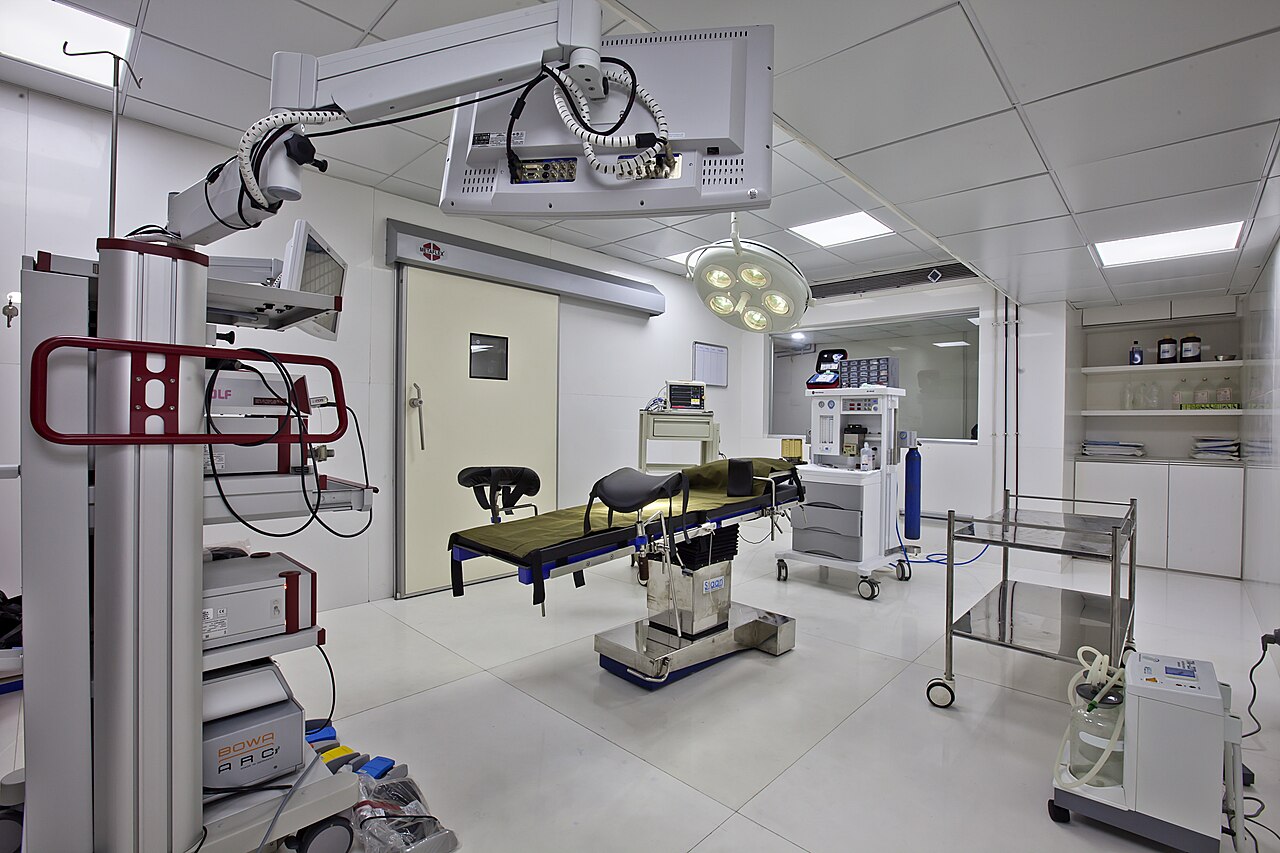 Dr.jayesh amin / wikimedia · BY-SA
- Global range
- $3,500–$20,000
- Clinics tracked
- 22
- Recovery
- 2–4 weeks
- Final results
- 12–18 months
Overview
A gastric sleeve (sleeve gastrectomy) permanently removes around three-quarters of the stomach, leaving a slim tube. This restricts how much you can eat and, importantly, lowers levels of the hunger hormone ghrelin, which reduces appetite. It is now the most common bariatric operation worldwide and a leading reason patients travel to Mexico and Turkey.
It is major, irreversible surgery with serious potential complications — the most feared being a leak at the staple line — so the credentials of the bariatric surgeon and the standard of the operating hospital are paramount. Equally important is structured, long-term follow-up: nutrition, supplementation and aftercare determine whether weight loss is sustained safely.
Where to get it
Tracked destinations with cost ranges. Open a destination for clinics, surgeons and what to verify.
Techniques
Laparoscopic sleeve
Keyhole removal of most of the stomach — the standard, minimally invasive approach.
Robotic sleeve
Robot-assisted laparoscopy for enhanced precision in suitable centres.
Endoscopic sleeve (ESG)
A non-surgical, incisionless option that sutures the stomach smaller; less weight loss but lower risk.
The process
- 1Medical workup, bloods, and dietary assessment
- 2Pre-op liver-shrinking diet
- 3Laparoscopic removal of ~75–80% of the stomach
- 41–2 nights' hospital stay with monitoring
- 5Staged diet progression (liquids → soft → solids) and supplements
Recovery timeline
Days 1–3
Hospital monitoring; liquids only; early mobilisation to prevent clots.
Weeks 1–4
Staged diet progression; fatigue common; light activity.
Months 1–12
Rapid weight loss; lifelong supplements and dietary habits established.
Candidacy
- ✓Typically BMI ≥ 35, or ≥ 30 with obesity-related conditions
- ✓Previous non-surgical weight-loss attempts
- ✓Committed to lifelong dietary and supplement changes
- ✓No untreated conditions that raise surgical risk
What to ask
- ›Is the surgeon board-certified in bariatric surgery, and what is their leak/complication rate?
- ›Is the hospital accredited, with ICU access if needed?
- ›What follow-up, nutrition and supplement support is included long-term?
- ›What is the emergency plan if a complication appears after I return home?
Risks
- Staple-line leak (serious)
- Bleeding or blood clots
- Acid reflux (can worsen or newly develop)
- Nutritional deficiencies
- Need for revision surgery
Gastric Sleeve (Sleeve Gastrectomy) abroad: frequently asked questions
What country is best for gastric sleeve?
No single country is "best" for gastric sleeve (sleeve gastrectomy) — it depends on the clinic, not the border. The most-travelled-for destinations we cover are Turkey and Mexico; compare them on cost and the MedTraveling Transparency Index instead of picking by reputation.
How much weight will I lose?
Most patients lose 60–70% of their excess weight within 12–18 months, though results depend heavily on adherence to dietary changes.
Is the gastric sleeve reversible?
No — because most of the stomach is permanently removed, it cannot be reversed (unlike a gastric band).
Is it safe to have abroad?
It can be, at an accredited hospital with a certified bariatric surgeon and a real follow-up plan. The risks (especially leaks) make vetting essential, and you must arrange aftercare at home.
What's the main risk?
The most serious early complication is a staple-line leak. Long term, nutritional deficiencies and reflux are the main concerns, managed with supplements and monitoring.