Fertility
IVF (In Vitro Fertilisation) abroad
Fertility treatment in which eggs are retrieved, fertilised in a laboratory, and the resulting embryo is transferred to the uterus.
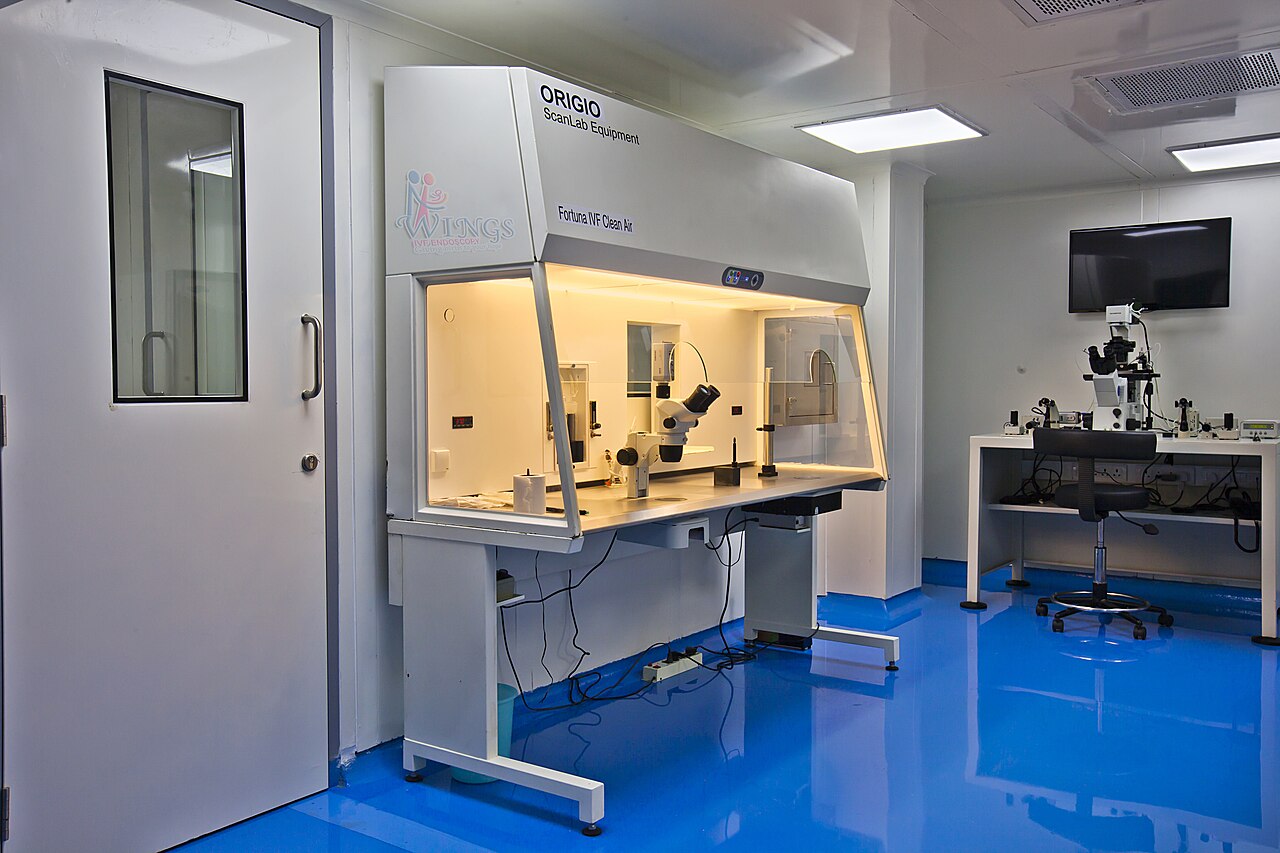 Dr.jayesh amin / wikimedia · BY-SA
- Global range
- $3,000–$20,000
- Clinics tracked
- 28
- Recovery
- Days
- Final results
- 2–6 weeks per cycle
Overview
In vitro fertilisation stimulates the ovaries to produce multiple eggs, retrieves them, fertilises them with sperm in a laboratory (often via ICSI, where a single sperm is injected into each egg), and transfers a resulting embryo into the uterus. It is the cornerstone treatment for many causes of infertility and is sought abroad both for cost and for access to options — such as donor eggs — that may be restricted or expensive at home.
Success rates depend heavily on the woman's age, the underlying diagnosis, and the laboratory's quality, and published 'success rates' are easy to misread. Cross-border fertility care also raises legal and ethical questions — around donor anonymity, embryo storage and parentage — that vary sharply by country and must be checked before treatment.
Where to get it
Tracked destinations with cost ranges. Open a destination for clinics, surgeons and what to verify.
Techniques
Conventional IVF
Eggs and sperm combined in the lab to fertilise naturally.
ICSI
A single sperm injected directly into each egg — used for male-factor infertility.
Donor-egg IVF
Uses eggs from a donor; markedly higher success for older patients.
PGT (genetic testing)
Embryos screened for chromosomal or genetic conditions before transfer.
The process
- 1Fertility assessment and ovarian-reserve testing
- 2Ovarian stimulation with hormone injections (~10–14 days)
- 3Egg retrieval under sedation
- 4Laboratory fertilisation and embryo culture
- 5Embryo transfer, then a pregnancy test ~10–14 days later
Recovery timeline
Stimulation phase
Daily injections; monitoring scans; possible bloating.
Retrieval day
Short sedation; mild cramping and rest for a day.
After transfer
Normal light activity; progesterone support; wait for the pregnancy test.
Candidacy
- ✓Diagnosed infertility or failed other treatments
- ✓Same-sex couples and single parents (where legal)
- ✓Need for donor eggs, sperm or embryos
- ✓Realistic about age-dependent success rates
What to ask
- ›What are your live-birth rates for patients in my age group and diagnosis?
- ›What exactly does the package include, and what costs extra?
- ›What are the legal rules here on donors, embryo storage and parentage?
- ›How are remote monitoring and any follow-up cycles handled?
Risks
- Ovarian hyperstimulation syndrome (OHSS)
- Multiple pregnancy
- Cycle failure / no viable embryos
- Emotional and financial strain
- Legal complications of cross-border care
IVF (In Vitro Fertilisation) abroad: frequently asked questions
What is the best country to get IVF?
No single country is "best" for ivf (in vitro fertilisation) — it depends on the clinic, not the border. The most-travelled-for destinations we cover are Turkey, Mexico and South Korea; compare them on cost and the MedTraveling Transparency Index instead of picking by reputation.
Is it cheaper to do IVF in another country?
Abroad, ivf (in vitro fertilisation) typically runs $3,000–$20,000 depending on the country and clinic, roughly 43% below a typical US private price of about $20,000. We track live published prices by destination — open the cost guide for Turkey, Mexico and South Korea to see clinic-by-clinic figures rather than a single average.
What are the success rates?
They depend strongly on age — from over 40% per cycle for younger women to under 10% with own eggs over 42. Donor eggs raise success markedly. Scrutinise how a clinic defines its rates.
How long do I need to stay?
A fresh cycle typically needs around 2–3 weeks on site, though some monitoring can be done at home in coordination with a local clinic.
Why do people travel for IVF?
For lower cost, shorter waiting lists, or access to treatments (like donor eggs or no age cap) that may be restricted or costly at home.